
The first two images in this article were used with permission from photojournalist Jeremy Hogan with the Bloomingtonian. The full video of the protest and arrests can be seen here.
According to a report in the Bloomington Herald Times, tensions flared at Indiana University as 33 protesters were arrested on Dunn Meadow, sparking outrage and claims of stifled speech among faculty and students.
The arrests came after IU officials quietly amended the on-campus events policy, requiring prior approval for structures like tents and canopies. The timing, just before a planned pro-Palestine solidarity encampment, raised suspicions of targeted suppression.
David McDonald, a professor at IU who was among those arrested, criticized the timing of the policy change, alleging it was designed to hinder the pro-Palestine event rather than ensure security.
The alterations to the policy were greenlit by a committee of four university officials without faculty or student input, further fueling accusations of censorship. When protesters gathered on Dunn Meadow, they were met with Indiana State Police troopers who cited the new policy to dismantle the encampment and make arrests.
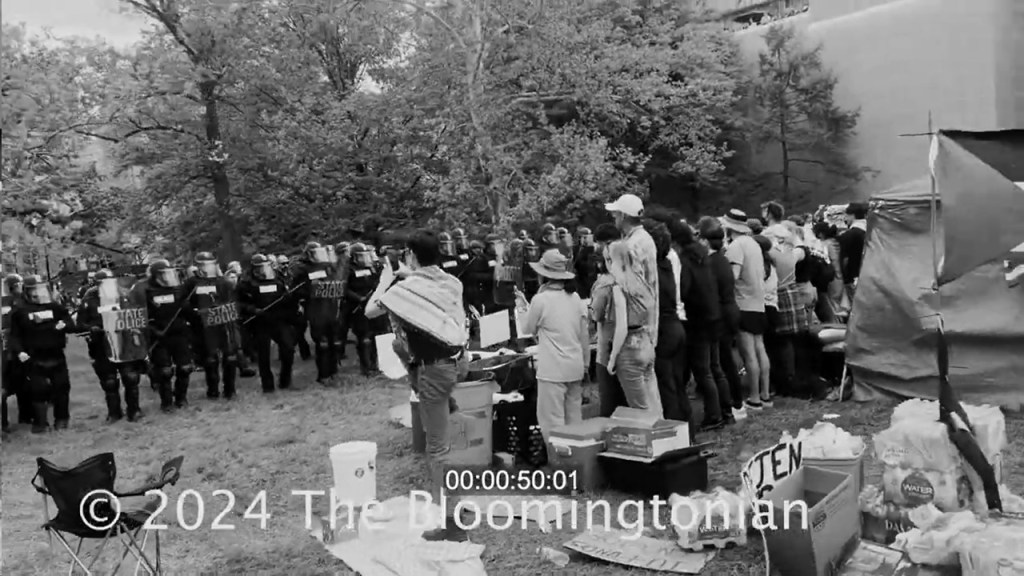
IU Police Department and Indiana State Police officers informed protesters that erecting tents violated school policy, distributing pamphlets to enforce the claim. However, protesters contested this, citing a longstanding campus policy on assembly grounds dating back to 1969.
During the confrontation, protesters sought to explain the existing policy to troopers, only to be met with resistance. State police Captain Rob Priest emphasized compliance, warning of arrests for those who resisted. Subsequently, officers clad in riot gear moved in, detaining and handcuffing 33 individuals, including three faculty members.
The repercussions of the arrests were swift and severe, with all 33 individuals receiving a one-year ban from all IU-owned properties. This penalty disrupted the lives of students like Elena Thomas, who found herself unable to return to her dormitory after release from custody. Senior Cameron Pierce faced the prospect of missing graduation ceremonies, while McDonald’s ability to fulfill his professional duties was compromised.
IU defended the actions of law enforcement, asserting that protesters had violated university policies, a claim disputed by those arrested. Critics argued that the policies were not effectively communicated and accused state police of excessive force and infringement on First Amendment rights.
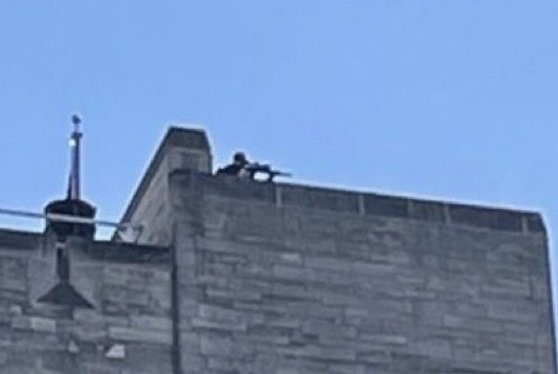
Similar protests have erupted nationwide, with universities becoming battlegrounds for pro-Palestine demonstrations. Instances of police crackdowns, such as at the University of Texas at Austin and Columbia University, have drawn condemnation.
Amid the fallout, protesters remained resolute, with some expressing defiance and solidarity. Despite facing charges of criminal trespass, they stood by their actions, viewing them as necessary acts of resistance against perceived injustice.
The incident has reignited debates surrounding free speech and campus activism, prompting calls for greater transparency and accountability within university administrations. As IU grapples with the aftermath, the ramifications of its actions resonate beyond campus, reflecting broader societal tensions and the complexities of navigating contentious issues in educational settings.

 Terre Haute Vice News
Leave a comment