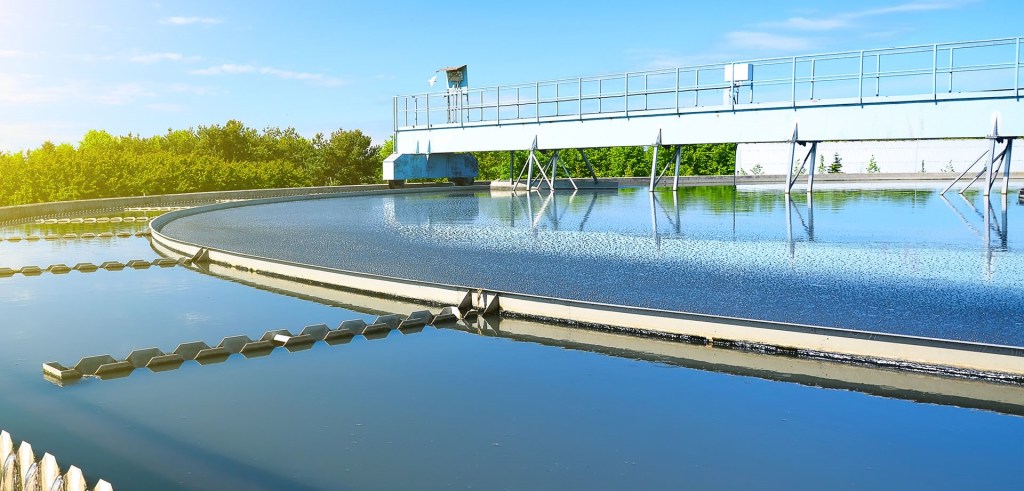
According to a report in the Lebanon Reporter, Construction projects in Lebanon, Indiana, have come to a standstill as the city grapples with a critical water supply issue. Lebanon Utilities has sufficient water for current customers and those who have reserved water capacity, but there is no surplus to support new developments.
The city’s wells, located along Sugar Creek on the former Old Indiana theme park site, have reached their limit. Lebanon’s water allocation process, known as “allocating,” has fully committed the available water to ongoing projects. Planning Director Ben Bontrager clarified, “We’re not running out of water. We have essentially allocated all the water we have to projects that are already in process.”
Water usage in Lebanon is measured in Equivalent Dwelling Units (EDUs), with one EDU representing a 500-gallon daily allotment—sufficient for an average household. Despite actual household usage being closer to 200 gallons per day, the city exhausted its remaining EDUs by May.
A temporary solution involves redefining an EDU to 300 gallons, but the city is also negotiating with Indiana American and Citizens Energy Group to secure additional water. An agreement could facilitate resumption of construction by late fall or spring, but the infrastructure buildout will take 24-40 months.
The water shortage has long been anticipated. Following a 2004 drought, state officials commissioned a 2006 water study, suggesting a pipeline from an aquifer near Lafayette to Lebanon and Indianapolis. The proposed pipeline, now eyed by the Indiana Economic Development Corporation (IEDC) to support the LEAP Lebanon Research and Innovation District, faces financial and environmental hurdles.
The LEAP project, targeting semiconductor manufacturers, and Eli Lilly’s $9 billion pharmaceutical complex are major developments driving the current water demand. Additionally, the Hickory Junction phase II project recently consumed a significant portion of Lebanon’s remaining water capacity, securing 95 EDUs for hotels, restaurants, and shops.
The broader Indianapolis metropolitan area is also nearing its water capacity limits. Lebanon’s immediate challenge underscores a regional issue that requires strategic solutions. Mayor Matthew Gentry emphasized, “Indiana has water all over the place. The solution is easy. The implementation is the hard part. Getting water here is an engineering problem that’s solvable.”
While political and public opinion obstacles remain, several housing projects, including over 700 units at Ind. 39 and County Road 300 North, are on hold. A Meijer supermarket chain’s recent property purchase in the area also remains unacted upon due to the water crisis.

 Terre Haute Vice News
Leave a comment