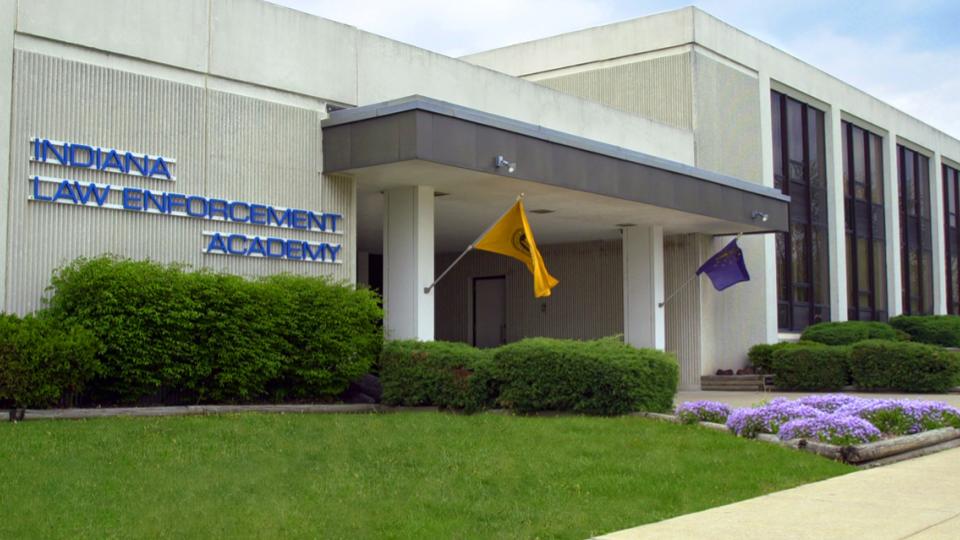
According to a report in the Indianapolis Star, starting today, all law enforcement agencies in Indiana will operate under a new set of policies governing the use of deadly force by officers. This shift is driven by a state law enacted two years ago mandating a unified use-of-force protocol for all police departments in the state.
The law’s introduction ignited significant debate and concern among law enforcement leaders, particularly in Indianapolis. Critics argued that the new state-mandated protocol could undermine the IMPD’s existing use-of-force policies, which were revised in 2020 amid widespread calls for police reform.
One of the most contentious changes involves the use of chokeholds. The IMPD’s 2020 policy strictly banned chokeholds and neck restraints that restrict breathing or circulation. However, the new state policy allows chokeholds “in situations where deadly force is allowed by law,” defined as force posing a substantial risk of serious bodily injury.
The conditions under which officers can use deadly force have also been updated. Both the previous and new policies permit deadly force when an officer believes there is an imminent threat of death or serious bodily injury to themselves or others. However, the new guidelines are less specific, allowing deadly force to “prevent the commission of a forcible felony” rather than the more detailed circumstances outlined in the previous IMPD policy.
The new state protocol also addresses the use of firearms in relation to moving vehicles. While IMPD previously prohibited officers from shooting at or from moving vehicles, the new rules only advise against such actions, permitting them “in situations where deadly force is allowed by law.” Warning shots remain prohibited under the new policy.
Officers are required to intervene and report if they witness another officer using excessive force. This aspect of the policy aligns with previous practices and reflects ongoing efforts to ensure accountability within law enforcement.
The updated policies were a major topic at the recent IMPD General Orders Board meeting. Civilian board member Clyde Posley expressed deep concern, likening the changes to a regression to pre-reform standards seen during the George Floyd era. “What our state has done is gone right back to Minnesota,” Posley stated, highlighting the discomfort and fear such policies may instill in minority communities.
Despite the ability for departments to adopt these new rules, IMPD officials maintain a firm stance against using chokeholds. Retired Indianapolis Police Chief Bryan Roach recommended aligning the department’s policies with the state’s wording to avoid confusion between “use of force” and “use of deadly force.”
Lt. Clayton Portell clarified that under state law, chokeholds restricting airflow are considered deadly force, whereas those limiting blood flow are not. “In essence, this shouldn’t change the way we operate,” Portell said, noting the distinctions between different types of neck restraints.
The General Orders Board has postponed further discussion on the new policy until its next meeting in August, allowing more time to evaluate and potentially adjust to the statewide mandates.
As these changes take effect, both law enforcement agencies and the communities they serve are preparing for the impacts of the new protocols on policing practices across Indiana.


 Terre Haute Vice News
Leave a comment