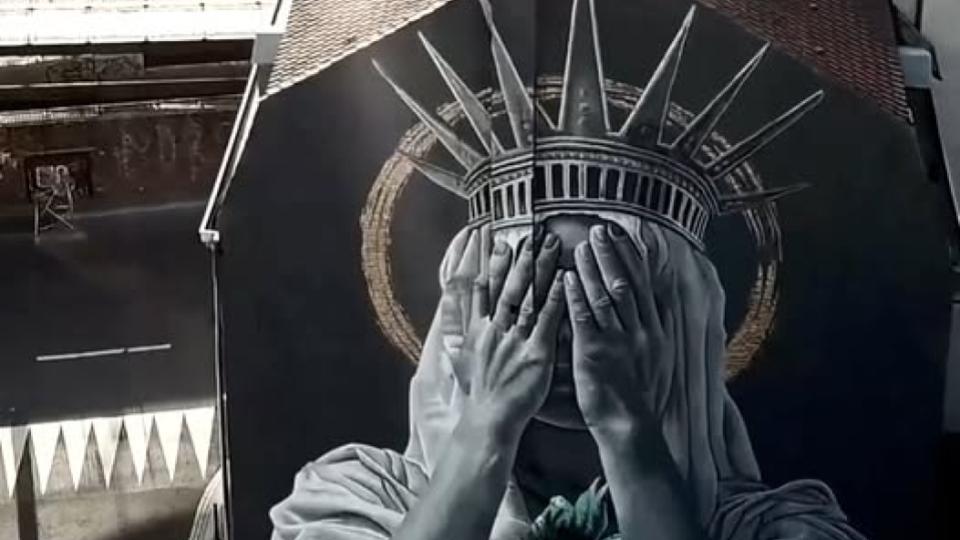
In his interview with New York Times columnist Ross Douthat, billionaire cofounder of Paypal and Palantir, Peter Thiel, revealed just how committed he is to technological advancement, but also displayed a cartoonish lack of self awareness. Never once acknowledging that the problems he thinks “full-throttle” innovation will solve, were caused by unfettered innovation.
The most bizarre comment, however, in a string of wildly bizarre statements, was after Thiel had repeatedly used the word woke as an insult, he then suggested that the real problem with transvestites and transexuals is that they don’t go far enough.
His belief is that while those groups focus on changing their clothes and their bodies, his transhumanist ideology wants people to be able to change “their hearts, their minds, and their souls.” And when questioned by Douthat about whether that idea was orthodox, he responded that, “the word nature does not appear in the Old Testament.”
My favorite exchange, however, came later in the interview when Thiel explained that while many people think of the antichrist as some type of power hungry technological overlord, he believed the antichrist would be a Greta Thunberg type figure who uses the fear of technological advancement to enforce an oppressive and probably environmentally focused one world government.
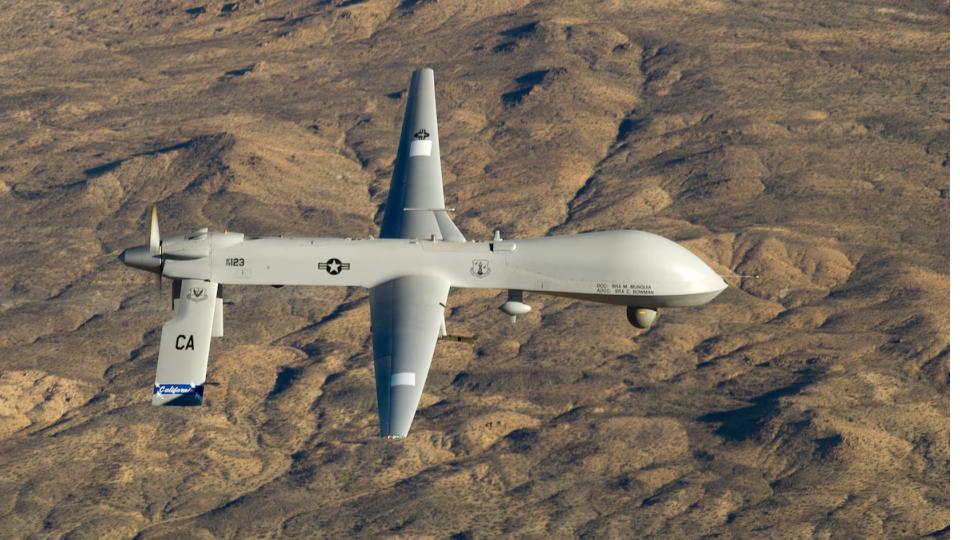
Douthat then brilliantly push backed by questioning whether Thiel’s own investments in military and surveillance technologies might stoke the fears of technological advancement that could lead to the type of oppressive response he feared. And while Thiel seemed to lack any self awareness throughout the interview that comment did seem to give him pause.
My one point of agreement with Thiel was his description of the future as being held in tension between apocalypse and antichrist. Apocalypse in the form of self annihilation and antichrist in the form of an oppressive force used to prevent an apocalypse.
While I have never personally been a follower of Thunberg, mostly because I think that a child scolding people for their actions, will only cause them to mock your movement rather than join it. I did think mentioning her name in the same sentence as the antichrist was absurd.
Even if you don’t like her methods you have to acknowledge that her anger is justified. Instead of our technological advancements being use to create and care for stronger communities, they’ve been hijacked by those in power to increase wealth inequality, degrade the environment, and fuel global animosity towards manufactured enemies.
From my perspective these are direct results of our collective failure of imagination. When we stop imagining what the world could be like if things were radically different, we get stuck just trying to make the way things are better. Unfortunately, just like dreams we have in our sleep, imagining and talking about the world in new ways can be tricky.
We tend to view things as having two sides, conservatives or liberals, capitalists or communists, innovative or stagnant. And when you pick one of these sides you instantly have a framework and a community to work with, but if your ideas don’t fit nealty into one of these groups you’re quickly and repeatedly exiled.
Thiel’s vision of the future highlights how this dynamic creates the perpetual drive towards apocalypse and antichrist. In their struggle for victory nations race towards technological advancement under the guise of helping society while resources are usually focused on competing with our “enemies.”
Whenever anyone suggests slowing down, they’re usually accused of being luddites who want to rush in and “smash the looms.” But I’m not talking about shifting the nation towards some type of Amish utopia. There’s plenty of room between our current trajectory and a return to horse and buggies.
Thiel, however, is convinced that we need to rapidly innovate in order to address our needs for energy and medicine, but at the same time not recognizing that “innovation” is currently the primary strain on our power and health systems. In my own state of Indiana there are currently plans to build data centers that are projected to consume more energy than every household in the state combined.
When I described Thiel’s belief that more innovation was necessary to address many of our society’s growing health concerns my teenage son’s immediate response was, “has he never seen the movie Still Water?” I totally agreed because that film clearly shows how just one company (3M), blinded by greed, rushed to find more uses for Teflon, and in the process created a countless number of fatal side effects in the process.
Like the character of Kroner from Vonnegut’s incredibly prescient novel Player Piano, Thiel has a deeply held spiritual confidence in the liberating nature of technological advancement, while absolutely refusing to acknowledge any of the catastrophic consequences of that advancement.

 Terre Haute Vice News
Leave a comment